
POETRY
*When reading poetry on a mobile device, we recommend orienting your screen horizontally.
Poetry by Dwaine Rieves
Pearl Street Gardenia
In place of a sapling
that under sidewalk tree box
conditions just couldn’t
make it, in alabaster
petals and perimeter tints
of urine, the blossoms do
what they can, sorrow
picking at people prone to bending
down before a mitten or
banged-up sippy cup.
Things change once
they’re no longer wanted
though a street
side discovery may toy
with any workable agenda.
For a dropped
pacifier does not prove every
baby is crying, nor ripped
lotto tickets tag us
all losers. The sidewalk is wiser,
some dogs always
pulling, most babies
happily distractible. Under-
standing, as the good
lover teaches, begins
with a sip. Every bus is humbled
once the stop arrives.
The wheeze goes
with a courteous bow before
the door opens.
It is the quaint
visitation of an overlooked
arrival, the gift of
a gardenia stinging
the same nerve an elderly clerk
in the cafeteria
checkout line used to
touch when handing over
my change.
The lady never looked
up, attention fixed on my open
palm, eyes settling on
the creases before saying
as she passed me the cash—
Thank you, Sweetie.
Colossal
Having heard the colossal substance
of immortality told by a childless poet
Colossal beyond
earth’s slim cervix, the shout
colossal in contraction
and wiggling delivery,
every word stitched post-birth within
a lawyer’s brick house
where, top floor,
Miss Dickinson looked out always
nine months or more
away from what
lawyers might not call delivery.
Perhaps laboring for
people like me
to understand her female take on the body
or sex and its short-term
license. Colossal
in a stilled scream’s delivery, we might
mistake stitched-up lines
to mean God
made pain one with being rather than
release, a colossal
error probably
only a woman like her could see
in a world strapped
between a window’s
stirrups, her God colossal in the omnipotent
instant when another
rip might reword
relief in a colossal eternity, with nipples
for suckling.
When Asked What She Wanted to Do, Mavis Answered
Art, on average, pays
far less than sex for money.
Anxiety’s blister is a typical
first symptom of inequity, not
for what it is (a sign actually)
but what it might become, glory
bulging beneath
the surface, guilt ballooning
creative sensations.
What’s your favorite color
they ask in children’s church.
Red always wins.
Usually a girl who,
I suspect, fancies
herself asymptomatic until
the congregation laughs.
Or a boy, covered in boyish
authority despite medication.
Artists can’t exist
without childish eruptions, what
some might call
lesions, a near genetic need felt
well before anyone asks about
pressure, that urge
to keep creating
something like prayer, albeit
sexualized with meaning, anguished
colors malleable as children
in laughable but precise
decisions, the streak
of red on yellow no sex
scene or sunrise breaking,
but a song to close out
the smiling service, one
tooth missing the work’s
sometime celebration.
The Bull
Between horizontal slats of unpainted fence—
2 x 6’s rip-sawed to reveal tree rings grain, years
sliced into solar systems and orbiting planets, worlds
left raw, mapped out in natural stains—
there’s a living bull looking back, disturbed
at being watched and about it angry, head cocked
and ears distended, nostrils bulging
like the double darkness must in male species
when suddenly examined. I can’t say I was
alone or lonely or before the old cow pen
by choice, or the bull perplexed by sawed-up years
framing me as a man trapped within
long slats of my own unearthing.
But when the nares flared, I felt Jupiter arise
from his throne, his kingdom so vast and me
so certain I called him father.
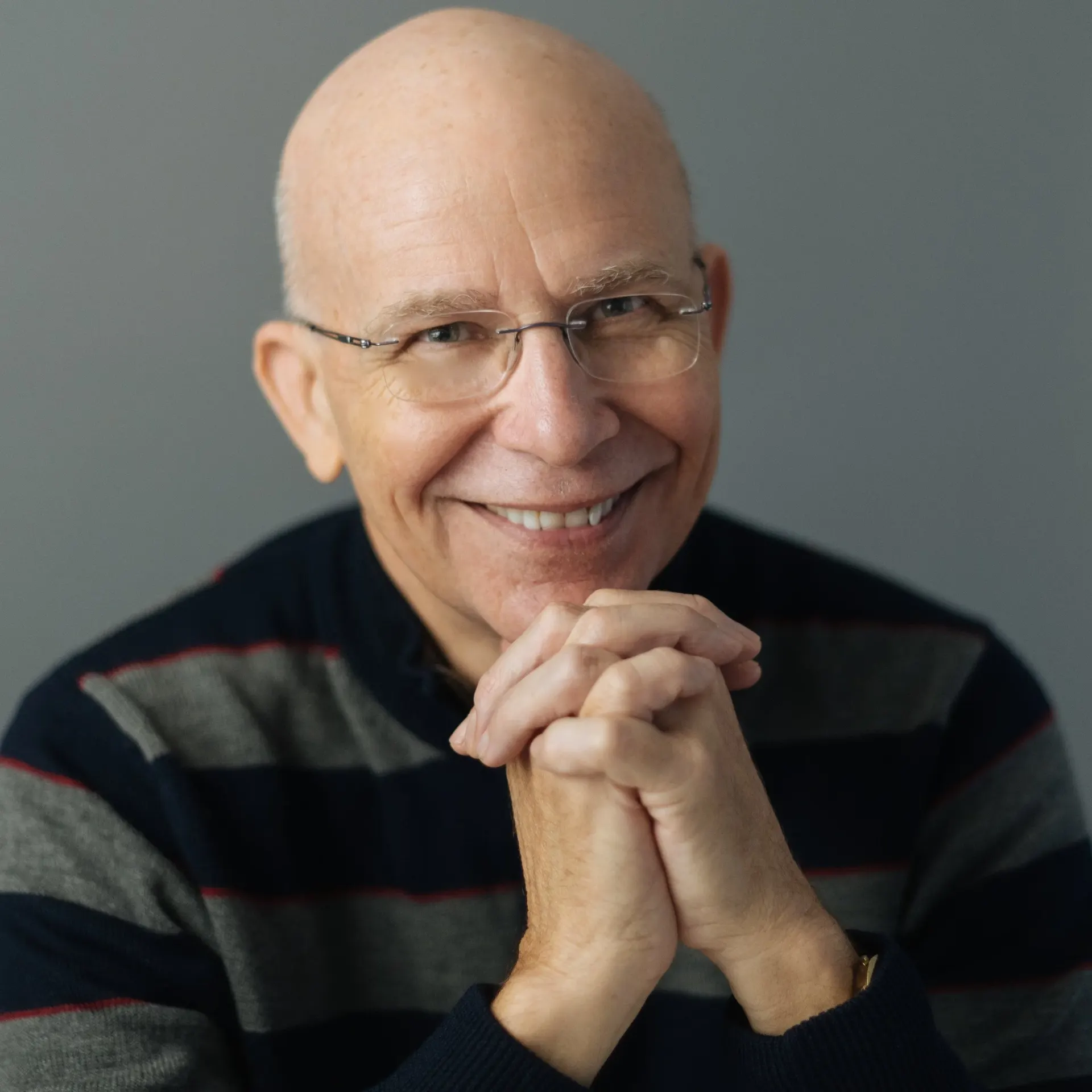
Dwaine Rieves was born and raised in Monroe County, Mississippi. He worked as a garment plant custodian and Frisco Railroad brakeman before attending Ole Miss and graduating from the University of Mississippi School of Medicine. He works odd-times as a research pharmaceutical scientist and unbelievably odd times with poetry. His collection, When the Eye Forms, won the 2005 Tupelo Press Prize for Poetry. Shirtless Men Drink Free is his first novel.
Be sure to check out this exclusive interview with Dwaine on the Orson’s Publishing blog.